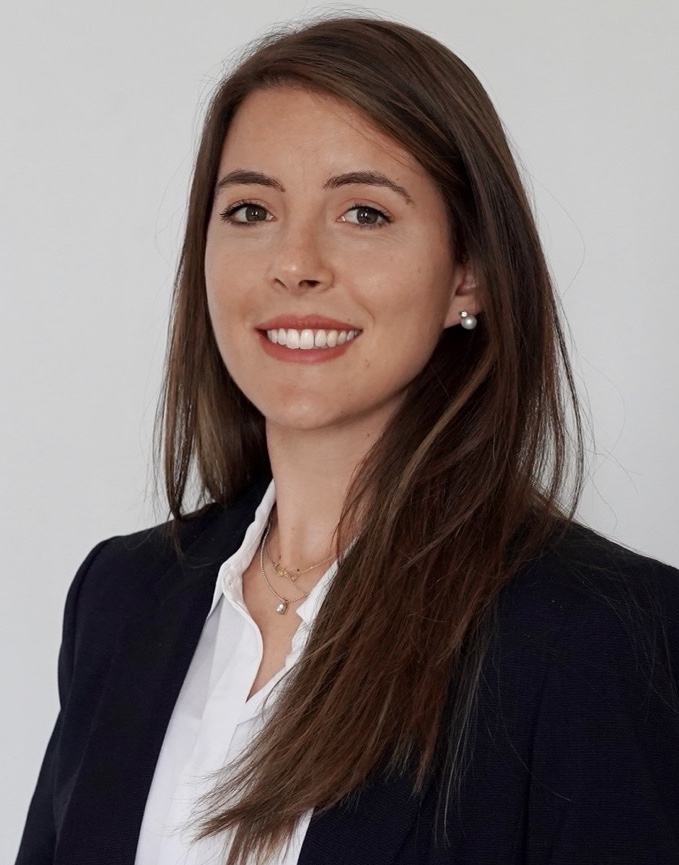
Dr. Ludovica Monti is a Lecturer in the School of Chemistry and a Laboratory Head at the Bio21 Institute, University of Melbourne. She is also an affiliated member of the Center for Discovery and Innovation in Parasitic Diseases (CDIPD) at University of California, San Diego.
Ludovica is an expert in medicinal chemistry, drug discovery, and nucleic acid biology, with over a decade of experience across leading institutions in Italy, USA, UK, and Australia. Her research bridges chemistry and biology to develop new therapeutic strategies against infectious diseases.
Ludovica earned a BSc and Master’s degree in Pharmacy (2014) and PhD in Life Sciences (2018) from Sapienza University of Rome (Italy). She conducted half od her PhD studies in the USA, where she trained as a medicinal chemist in the laboratories of Prof. Amos B. Smith at the University of Pennsylvania, and Prof. Carlo Ballatore at the University of California San Diego (UCSD). Her PhD work discovered new treatments for cancer, Alzheimer’s disease, and neglected tropical diseases, received multiple awards, including:.
- Minerva Award, Sapienza University (Italy) – for excellence in drug discovery research
- Young Investigator Scholarship, Alzheimer’s Drug Discovery Foundation (USA) – for her work on multitarget imidazole-based therapeutics
- Best PhD Thesis 2020, Sapienza University Publishing (Italy) – published as an open-access book
In 2018, Ludovica returned to UCSD for her postdoctoral training, where she became a member of the CDIPD and trained in the biology group of Prof. Conor Caffrey. Her work contributed to the discovery and optimisation of new microtubule-targeting compounds with preclinical efficacy in models of schistosomiasis and African trypanosmiasis.
In 2021, she was awarded the prestigious Marie Skłodowska-Curie Individual Fellowship and joined the Department of Chemistry at Imperial College London (UK). There, as a member of Dr. Marco Di Antonio’s lab, she pioneered DNA-based molecular and bioinformatic approaches to study DNA secondary structures in African trypanosomes, as new targets to treat parasitic infections.
In 2024, Ludovica established her independent lab at the University of Melbourne. Her team develops innovative chemical-genomic approaches to study DNA structures and how they drive host–parasite interactions, paving the way for next-generation DNA-based therapies.
Affiliations
-
Lecturer & Laboratory Head
The University of Melbourne
Chair of Diversity & Inclusion
School of Chemistry & Bio21 Molecular Science & Biotechnology Institute
Discovery Programs: Infection, DNA-therapeutics, Drug development, and Host-pathogen interactions -
Affilited Member
Center for Discovery and Innovation in Parasitic Diseases
University of California San Diego,
at the Skaggs School of Pharmacy and Pharmaceutical Sciences